
All-Inclusive Luxury Ski Holidays: What Families Get for the Price

An all-inclusive luxury ski holiday sounds like the simplest idea in family travel. One price, one booking, everything handled before you reach the mountain. The difficulty is that the phrase does not mean the same thing everywhere. Some operators use it to describe a fully bundled week with meals, drinks, lift passes, hire, lessons and childcare rolled in. Others mean the logistics are bundled while dinner remains your own arrangement.
For a family of four, that difference is significant. Understanding what sits inside the price, and what quietly sits outside it, is the only way to judge whether a quote represents good value or merely a tidy-looking number.
What All-Inclusive Really Means on a Ski Holiday
In skiing, all-inclusive most often describes a bundled package covering the lift pass, equipment hire, lessons, transfers and accommodation, rather than unlimited food and drink in the way a beach resort would use the term. The distinction matters because parents who have booked all-inclusive Caribbean or Mediterranean holidays arrive at a ski quote expecting the same thing and find something narrower.
That said, the concept has widened considerably. The all-inclusive ski holiday has grown massively in recent years, with lift passes, all food and drinks included, even lunch and snacks throughout the day, plus group lessons or ski guiding, and kids clubs and entertainment in some of the top resorts in Europe. So there are effectively two models sitting under one label.
Model | What the price usually covers | Typical wording used |
Bundle-inclusive | Accommodation, lift pass, ski or board hire, lessons or guiding, resort transfers | Everything included in the price, lift pass included |
Fully inclusive | The above plus all meals, drinks, snacks, and often kids clubs and entertainment | All inclusive ski holidays |
Patterns vary between operators, so always check the individual package rather than relying on the headline label.
Why the Bundled Model Suits Families
A ski week is unusually fragmented. Every element is a separate transaction, and each one has to be arranged before a child has even put a boot on. Bundling moves those transactions off your holiday and into a single booking, which is precisely why the model has taken hold with parents.
Lift passes for every member of the family, for the full duration of the stay
Ski and boot hire, including for children who seem to grow between seasons
Ski school places, which can be the first thing to sell out in peak weeks
Airport to resort transfers, often the most awkward piece to arrange independently
Lunch on the mountain, which is rarely cheap and always wanted at the same time
Evening meals after a day on the slopes, when nobody wants to go out searching
The value argument is not that each line item becomes cheaper. It is that the week runs more smoothly, the spending is largely settled before departure and nobody spends the first morning queuing for passes they could have collected on arrival.
What a Luxury All-Inclusive Ski Holiday Typically Includes
Lift passes and equipment
Lift passes appear in a large share of bundled packages. One operator lists lift pass inclusion across up to 2,000 accommodations and 500 resorts, which shows how standard the practice has become. Equipment hire follows the same pattern, and a good package will include boots and helmets as well as skis or boards.
Lessons, guiding and children's clubs
Instruction is where the all-inclusive model divides most sharply. One provider describes itself as Europe's largest provider of all inclusive ski and snowboard instructed and guided courses, based across the French Alps. Others include free ski guiding and coaching as a standard part of the holiday. For families, group lessons that run every morning give children routine and give parents a genuine window of freedom.
Meals, drinks and afternoon tea
Fully inclusive packages extend to all meals, drinks and snacks, including lunch on the mountain. Less comprehensive packages may still include afternoon tea every day alongside a chalet board or half board arrangement, which covers breakfast and dinner but leaves lunch to you.
Flights and transfers
Flight-inclusive packages add return flights and resort transfers to the bundle. Some operators build their ski holidays around return flights, return resort transfers, hotel or chalet hotel accommodation, chalet board or half board, afternoon tea daily and free ski guiding and coaching. That is a well-rounded family week, but it is not the same as unlimited dining.
Photo by Maria Orlova on Pexels
Food and Drink: Where the Real Difference Shows
Half board and chalet board are the traditional formats in the Alps. They cover breakfast and the evening meal, with afternoon tea added by some operators as a daily ritual when everyone comes off the slopes. Lunch, hot chocolate stops and any drinks beyond the table are extra.
Fully inclusive ski weeks close that gap. Lunch and snacks are covered throughout the day, along with drinks, which removes the running tally that otherwise follows a family through the week. This is where the wider all-inclusive concept has grown, and it is the version most parents picture when they read the term. If unlimited dining and drinks are important to you, confirm the terms in writing before you commit, because the word alone does not guarantee them.
Operators and Resorts That Bundle Everything
The French Alps dominate this part of the market. Club Med properties appear consistently on all-inclusive lists, with Les Arcs Panorama, La Rosiere and Val Thorens Sensations among the named resorts. All sit in the French Alps and follow the brand's all-inclusive format.
UCPA takes a different approach, offering what it describes as all inclusive instructed and guided ski and snowboard courses across top resorts in the French Alps. Its accommodation is hostel style, social and friendly rather than luxurious, so it appeals to a different kind of traveller and is not the obvious choice for a family seeking quiet, space and service.
In Les 3 Vallées, the destination's own booking service lets you arrange transport and tailor-made accommodation in one place, which suits families who want the resort area handled as a single piece. Elsewhere, operators such as Neilson, Crystal Ski and SnowTrex cover varying combinations of flights, transfers, accommodation, board, passes and instruction. Because these packages differ substantially, comparing them line by line is essential.
Photo by Dominik Gryzbon on Pexels
What Is Usually Not Included
Even generous packages tend to leave certain things outside the price. Knowing these in advance prevents an unwelcome bill at the end of the week.
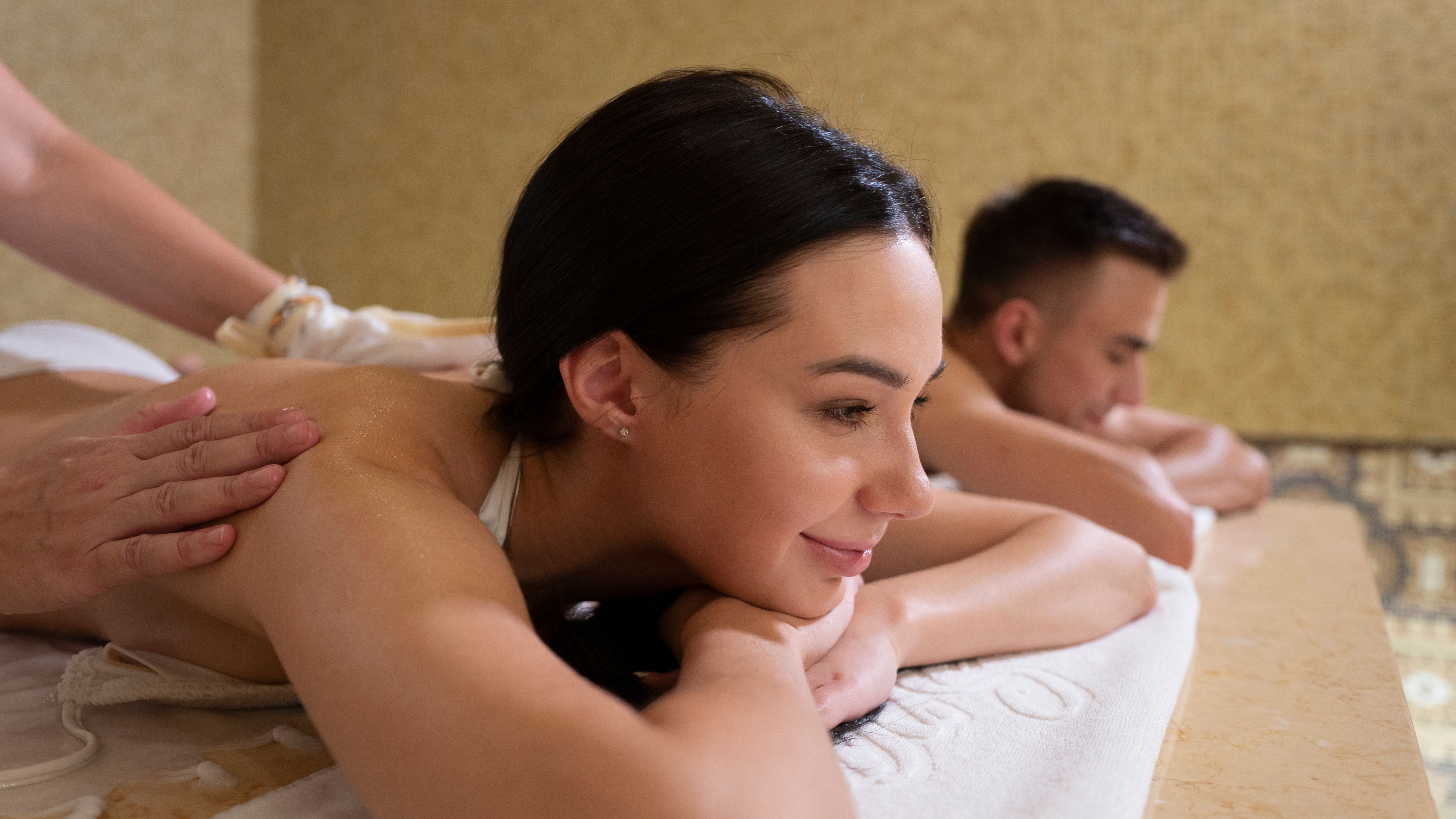
Spa treatments and wellness extras, which are usually charged separately
Private instruction, as opposed to group lessons or guided sessions
Childcare outside published kids club hours, such as evening sittings
Upgraded equipment, premium ski hire and ski carriage on flights
Travel insurance and any medical costs on the mountain
Meals taken away from the resort, including airport dining on travel days
Gratuities for instructors, chalet staff and drivers
Financial Protection and Booking Safely
All the flight-inclusive holidays on a provider's website should be financially protected by the ATOL scheme, and when you pay you should be supplied with an ATOL Certificate. That certificate is your proof of protection and worth checking the moment it arrives, before you file it away with the rest of the paperwork.
Ask directly whether the package you are buying is flight-inclusive, and if so, confirm the ATOL position in writing. If you are booking accommodation and transfers separately from your flights, the cover works differently, so it pays to understand what applies to your specific booking before you pay a deposit.
How to Judge Whether the Price Is Fair
A single total is not a useful comparison on its own. The reliable method is to build a like-for-like figure for the same resort, the same week and the same standard of accommodation.
Price the lift passes for every member of the family for the full stay
Add ski and boot hire in the standard you would actually choose
Add ski school or guiding for the children, and for adults if wanted
Add return flights and resort transfers for the whole party
Add lunches, snacks and drinks across seven days on the mountain
Add evening meals if the package is room only or self-catering
Compare that total with the all-inclusive quote, then weigh the time saved
Once the arithmetic is done on that basis, the gap often narrows more than expected, particularly in peak school holiday weeks when individual elements are at their most expensive. The remaining difference is largely about convenience, and for time-poor parents that convenience has real value.
Photo by Macourt Media on Pexels
Where a Planner Adds Something
The hardest part of comparing all-inclusive ski holidays is that no two packages describe themselves in the same language. One includes lunch, another includes guiding, a third includes flights but not passes. Reading across those differences takes hours that most working parents do not have.
A bespoke planning service does that comparison on your behalf, matching the inclusions to how your family actually skis. A household with three beginners needs different things from a household where the children are already confident on red runs. Getting that match right is what turns a bundled price into a genuinely good week.
Frequently Asked Questions
Is an all-inclusive ski holiday worth it for a family?
For most families it is, largely because it removes the steady drip of separate costs. Lift passes, hire, lessons, transfers and meals are settled before departure, so the week is not punctuated by card payments. The financial case is strongest during peak school holiday weeks, when booking each element individually tends to be at its most expensive.
Do all-inclusive ski packages include ski hire and lessons?
Many do, but not all. In skiing, all-inclusive commonly means a bundled package covering the lift pass, equipment hire, lessons, transfers and accommodation. Others stop short and include only some of these. Check the specific inclusions for your chosen package rather than assuming lessons and hire are part of the price.
What is the difference between all-inclusive and half board on a ski holiday?
Half board covers breakfast and the evening meal, and some operators add afternoon tea daily. Everything else, including lunch, snacks and drinks on the mountain, is paid for separately. Fully inclusive packages extend to all meals, drinks and snacks, and often add kids clubs and entertainment as well.
Are all-inclusive ski holidays financially protected?
Flight-inclusive holidays should be financially protected by the ATOL scheme. When you pay, you should be supplied with an ATOL Certificate, which is your proof of protection. Confirm the position in writing for your specific booking, particularly if you are arranging flights and accommodation separately, as the cover works differently in that situation.
Can you book an all-inclusive ski holiday in Les 3 Vallées?
Yes. Les 3 Vallées offers all-inclusive ski holidays in the French Alps, and the destination's booking service allows you to arrange transport and tailor-made accommodation together. The area is one of the best-known ski regions in France, so packages there tend to be well established and straightforward to compare.
Comments